
Healthy Alternatives to Sugary Soda: 7 Swaps That Work
Table of Contents
- What to Drink Instead of Soda: 7 Swaps That Satisfy
- Low-Sugar Drinks: How to Read the Label and Avoid Hidden Sugar
- Soda Alternatives for Cravings: Matching the Taste and Carbonation You Want
- Sparkling Water vs. Soda: A Side-by-Side Comparison
- Sugar and Nutrition Comparison Across Drink Types
- A Gradual Plan to Cut Back on Sugary Soda
- Dental Health, Caffeine, and Other Considerations
- Cost Per Serving: Homemade vs. Packaged Drinks
- Frequently Asked Questions
Last Updated: October 21, 2026
What to Drink Instead of Soda: 7 Swaps That Satisfy
Finding healthy alternatives to sugary soda starts with one truth: you do not have to give up carbonation, flavor, or the ritual of a cold drink, just what is in the can.
Most people fail because they quit cold and drink only plain water. The swaps that stick replace the experience of soda, not just the sugar.
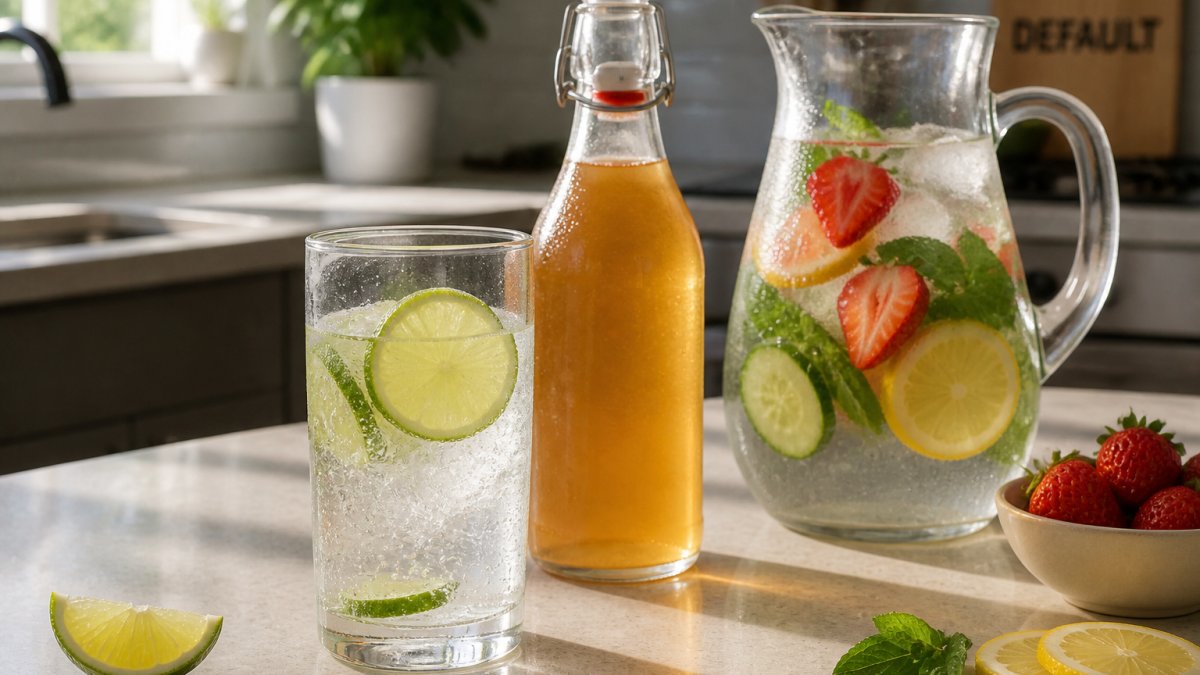
Here is the short version before we go deep:
| Swap | Best For | Sugar | Carbonation |
|---|---|---|---|
| Sparkling water | Instant soda replacement | None | Yes |
| Infused water | People who want flavor without bubbles | None | No |
| Kombucha | Tangy, fermented flavor fans | Varies | Light |
| Tea (iced, herbal, sparkling) | Caffeine control and variety | None if unsweetened | Optional |
| Prebiotic soda | Gut-health curious | Low to none | Yes |
| Zero-sugar energy drinks | Afternoon focus | None | Yes |
| Homemade soda | Full control over sweetness | You decide | Yes |
Sparkling Water and Flavored Seltzer
Sparkling water is the closest thing to a free lunch here. Plain seltzer gives you soda's fizz and mouthfeel with nothing added; flavored sparkling water adds fruit essence, usually without sugar or calories.
The catch is expectations. Buying flavored seltzer expecting cola-level sweetness is a common mistake; give it three or four days and your palate adjusts, then regular soda starts tasting syrupy.
Infused Water with Fruit and Herbs
Infused water is simple: cold water plus fruit, herbs, or both, steeped a few hours. Cucumber and mint, lemon and basil, or berries and rosemary all work, flavor and hydration without added sugar.
It wins on cost and control but loses on convenience, batch a pitcher the night before and fill a bottle.
Kombucha and Fermented Drinks
Kombucha is a fermented drink with a tangy, slightly vinegary profile and light carbonation. Many enjoy it as a soda substitute because it feels like a treat, not a compromise.
Read the label: some kombuchas carry meaningful sugar, and probiotic claims vary widely in support. Treat kombucha as a flavored drink, not a medicine.
Tea: Iced, Herbal, and Sparkling
Tea covers a lot of ground. Iced black or green tea gives caffeine and flavor; herbal tea gives flavor with no caffeine, which matters if you drink soda late in the day; sparkling tea adds carbonation for people who miss the bubbles.
Unsweetened tea has no added sugar. The trap is bottled iced tea, which is often sweetened heavily. Brew your own and chill it.
Prebiotic and Gut-Health Sodas
Prebiotic soda is a carbonated drink that adds fiber or prebiotic ingredients and markets itself on gut health, promising soda taste with less sugar.
Slow down here: the wellness claims are marketing, not proof. Check the ingredient list and sugar per serving before assuming a "gut-healthy" soda beats a regular one.
Zero-Sugar Energy Drinks
Zero-sugar energy drinks occupy a useful middle ground: carbonation, flavor, and a measured caffeine dose. This is where Drink Default fits. Our Blue Lemon delivers 80mg of caffeine and zero sugar, built for a steady lift during work or study.
The 80mg dose matters: roughly a moderate cup of coffee, not the overload of high-intensity energy drinks.
Homemade Soda Alternatives
Homemade soda gives you total control: mix sparkling water with a splash of fruit juice, a squeeze of citrus, or a little natural sweetener. You decide the sweetness and sidestep the artificial sweetener question entirely.
The trade-off is effort and shelf life, make it in small batches and drink it fresh.
Low-Sugar Drinks: How to Read the Label and Avoid Hidden Sugar
The label is where most low-sugar drinks get exposed. Start with serving size: a bottle often holds two or more servings, and the sugar number applies to one only.
Then scan the ingredient list for added sugar under its many names: cane sugar, corn syrup, dextrose, fruit juice concentrate, agave. A drink can say "no high-fructose corn syrup" and still be loaded with sugar.
Natural and artificial sweeteners both cut calories but are not identical. If artificial sweeteners have given you headaches, look for drinks with a small amount of real sugar or none at all.
Soda Alternatives for Cravings: Matching the Taste and Carbonation You Want
Cravings are specific: some miss the bubbles, some the sweetness, some the cold can at 3 p.m. Match the swap to the craving and it sticks.
- Craving carbonation? Go sparkling water or a zero-sugar soda substitute.
- Craving sweetness? Try a lightly sweetened tea or a splash of juice in seltzer.
- Craving caffeine? A measured zero-sugar energy drink beats a sugary soda plus a coffee.
What most guides miss is that the habit is often about the pause, not the sugar. Replacing the pause is half the battle.
Sparkling Water vs. Soda: A Side-by-Side Comparison
Sparkling water and soda share carbonation but little else. Sparkling water is water with dissolved carbon dioxide; soda adds sugar or sweeteners, flavor, and often caffeine and phosphoric acid.
| Feature | Sparkling Water | Regular Soda |
|---|---|---|
| Main ingredient | Carbonated water | Carbonated water plus sugar |
| Added sugar | None | High |
| Calories | Zero | High per serving |
| Acidity | Low | Higher |
| Caffeine | Usually none | Often present |
| Best use | All-day hydration | Occasional treat |
For most people switching off sugary soda, sparkling water is the lowest-effort starting point because it keeps the fizz without the sugar load.
Sugar and Nutrition Comparison Across Drink Types
Most swap guides call a drink "low-sugar" and move on, a word that hides more than it reveals.
This comparison uses a standard 12-fluid-ounce serving, the size of a typical can.
| Drink (12 fl oz) | Total sugar | Added sugar | Calories | Caffeine | Sweetener type |
|---|---|---|---|---|---|
| Regular cola | About 39 g | About 39 g | About 140 | About 30-35 mg | Added sugar (often corn syrup or cane sugar) |
| Diet or zero-sugar cola | 0 g | 0 g | 0 | About 30-45 mg | Non-nutritive sweeteners |
| Flavored sparkling water | 0 g | 0 g | 0 | 0 mg | None or trace essence |
| Unsweetened iced tea | 0 g | 0 g | About 0-5 | About 20-50 mg (black/green) | None |
| Sweetened bottled iced tea | About 20-35 g | Most of the total | About 90-150 | Varies | Added sugar |
| Kombucha | About 4-14 g | Varies by brand | About 30-60 | Trace to about 15 mg | Residual sugar from fermentation |
| Prebiotic soda | About 0-5 g | Often 0 g | About 5-40 | 0 mg | Non-nutritive sweeteners plus fiber |
| 100% fruit juice | About 30-39 g | 0 g (naturally occurring) | About 150-170 | 0 mg | Natural fruit sugar |
| Zero-sugar energy drink | 0 g | 0 g | About 0-10 | Varies widely by product | Non-nutritive sweeteners |
Three lessons fall out of that table.
First, added sugar and total sugar are not the same number. Fruit juice has zero added sugar but roughly as much total sugar as regular soda.
Third, serving size is the trap. Many bottles hold 16 to 20 fluid ounces but report nutrition for 12 or even 8 ounces.
If you want a single screening rule: favor drinks with zero added sugar, low or zero calories, and a caffeine dose you can account for. Then use the table to catch the exceptions rather than trusting the front of the package.
A Gradual Plan to Cut Back on Sugary Soda
Cutting back works better as a staircase than a cliff. A plan we would actually recommend:
- Week 1: Swap one soda a day for sparkling water. Keep the rest.
- Week 2: Swap two. Add a flavored seltzer or unsweetened iced tea.
- Week 3: Replace the afternoon soda with a zero-sugar energy drink or tea.
- Week 4: Make water and one flavored drink your default; keep soda as an occasional treat.
- Ongoing: Track how you feel.
Dental Health, Caffeine, and Other Considerations
Dental health deserves a mention most swap guides skip. Sugary and acidic drinks feed cavity-causing bacteria and erode enamel over time. Sipping soda all day is worse than drinking it with a meal, because your teeth stay under acid attack longer.
Caffeine is the other consideration. If you take medication or have a condition that makes you sensitive to caffeine, check with a healthcare professional before adding caffeinated sparkling water, tea, or energy drinks to your routine (the FDA).
Cost Per Serving: Homemade vs. Packaged Drinks
"Homemade is cheaper" is true often enough to be a cliché, but it is not useful until you put dollars next to it.
| Option | Typical package price | Servings per package | Approx. cost per 12 oz serving |
|---|---|---|---|
| Regular soda, 12-pack of cans | About $6-$9 | 12 | About $0.50-$0.75 |
| Packaged flavored sparkling water, 8-pack | About $4-$6 | 8 | About $0.50-$0.75 |
| Packaged kombucha, single bottle | About $3-$5 | 1-2 | About $1.50-$5.00 |
| Prebiotic soda, 4-pack | About $7-$10 | 4 | About $1.75-$2.50 |
| Zero-sugar energy drink, single can | About $2-$3.50 | 1 | About $2.00-$3.50 |
| Homemade infused water | About $0.50-$1.50 in fruit and herbs per pitcher | 4-6 glasses | About $0.10-$0.40 |
| Homemade brewed iced tea | About $0.10-$0.30 in tea per pitcher | 6-8 glasses | Under $0.10 |
| Homemade sparkling mix (seltzer plus juice) | About $1-$2 for seltzer plus a splash of juice | 4-6 glasses | About $0.25-$0.50 |
A few patterns matter more than the exact numbers.
The soda comparison is the one people miss. Regular soda is genuinely cheap per serving, often under $0.75 a can.
Watch the hidden costs. Fresh herbs and fruit spoil, so buying in small amounts beats a bulk bunch you throw away.
The practical split most people land on: homemade for the fridge and the desk, packaged for travel and busy days, and singles instead of multipacks while you are cutting back. For current pricing on our Blue Lemon, check our website.
Frequently Asked Questions
What is the healthiest no-sugar soda to drink?
There is no single healthiest option, but sparkling water and unsweetened seltzer are the simplest choices because they contain no added sugar, sweeteners, or calories. If you want a soda-like taste, look for zero-sugar drinks sweetened with natural alternatives like stevia or monk fruit, and check the ingredient label for artificial sweeteners you may want to avoid. Prebiotic sodas can be a good option if you want gut-health support, but review the fiber content and any wellness claims critically.
What should I drink if I crave soda?
Start with sparkling water or flavored seltzer to satisfy the carbonation and fizz. If you miss the sweetness, add a splash of fruit juice or a slice of lemon to sparkling water. Herbal iced tea and kombucha offer flavor and a bit of acidity. For a soda-like taste with zero sugar, try a zero-sugar energy drink or a prebiotic soda. The key is to match the sensation you crave (carbonation, sweetness, or acidity) rather than reaching for sugary soda out of habit.
Are sparkling water and seltzer healthier than sugary soda?
Yes, unsweetened sparkling water and seltzer are healthier than sugary soda because they have zero sugar and zero calories. Sugary soda adds significant added sugar and calories per serving, which can contribute to weight gain and dental issues. Sparkling water still provides carbonation and a refreshing mouthfeel without the sugar. Watch for flavored sparkling waters that contain added sugar or artificial sweeteners if you want the cleanest option.
Can flavored water help replace soda?
Flavored water can help replace soda, especially if you infuse it yourself with fruit, herbs, or citrus. Homemade infused water gives you natural flavor without added sugar or artificial sweeteners. Store-bought flavored waters vary widely: some are unsweetened and contain only natural essence, while others add sugar or sweeteners. Check the ingredient label and sugar content per serving to make sure you are choosing a low-sugar drink that supports your goals.
Cutting back on sugary soda is less about willpower and more about having better options within reach. That is the problem we built Drink Default to solve: 80mg of caffeine, zero sugar, and a clean Blue Lemon flavor made for the everyday moments when you need a lift without the crash. Stock the fridge with swaps you actually enjoy, and the soda habit loses its grip. Get started with Drink Default and make your afternoon drink a choice you feel good about.