
Best Zero Sugar Energy Drinks: A 2026 Buying Guide
Table of Contents
- What Separates the Best Zero Sugar Energy Drinks
- Sugar-Free Energy Drink Ingredients: What's Actually Inside
- Zero-Calorie Energy Drinks: How They Compare to Low-Sugar Options
- Zero-Sugar Energy Drinks With Low Caffeine for Sensitive Drinkers
- Taste and Flavor: What to Expect From Zero-Sugar Formulas
- Is It Okay to Drink a Sugar-Free Energy Drink Every Day?
- How to Choose the Best Zero Sugar Energy Drink for Your Routine
- Conclusion
- Frequently Asked Questions
Last Updated: October 17, 2026
What Separates the Best Zero Sugar Energy Drinks
That's the whole game. At Drink Default, we built our formula around that gap. Our Blue Lemon carries 80mg of caffeine and zero sugar in a single can, which puts it in moderate territory rather than the 200mg-plus range where most mainstream energy drinks live.
Below, we'll walk through caffeine math, sweetener types, and the daily-use question, so you can pick a can that fits your routine instead of fighting it.
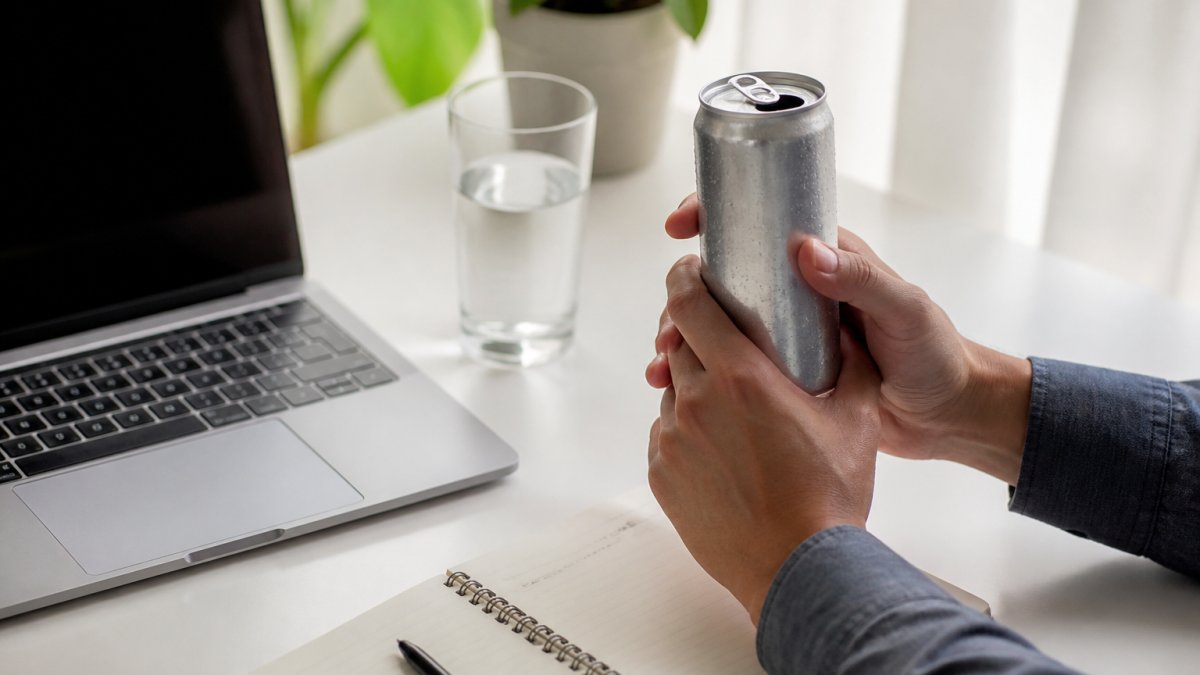
Caffeine Content and Serving Size
Caffeine content and serving size are the two specs that decide whether a zero-sugar can works for you or wrecks your afternoon. A 16-ounce can at 160mg hits differently than an 8-ounce can at 80mg, even if both say "zero sugar" in the same font.
Read the label in this order:
- Total caffeine per can, not per ounce. Some brands list caffeine per 100ml, which hides the real dose.
- Fluid ounces per can. A bigger can usually means more total caffeine, more sweetener, and a longer drinking window.
- Caffeine per ounce. Divide total milligrams by ounces to compare brands fairly.
- Servings per container. If a can holds two servings, the caffeine number on the front may only cover half of it.
The FDA guidance on caffeine and added caffeine in foods treats caffeine as a substance worth watching, and it's a useful sanity check when a can's front label and nutrition panel disagree.
Sweeteners and Ingredient Transparency
Sweeteners are where zero-sugar drinks live or die. The label tells you which class you're getting, and each one tastes different at the finish.
Most zero-sugar cans use one of four approaches:
- Sucralose and acesulfame potassium (Ace-K): common, cheap, and the usual source of the "tastes like chemicals" complaint.
- Stevia (reb A or reb M): plant-derived, with a licorice edge some people notice immediately.
- Monk fruit: fruit-derived, rounder finish, often blended with stevia to cut the aftertaste.
- Erythritol or allulose: sugar alcohols and rare sugars that add body but can carry a cooling sensation.
Ingredient transparency matters more here than in almost any other category. A can that lists its sweetener blend plainly, in order, and states caffeine per can is easier to trust than one hiding behind "natural flavors." If a brand won't tell you which sweetener it uses, assume the cheapest option until proven otherwise.
Sugar-Free Energy Drink Ingredients: What's Actually Inside
Sugar-free energy drink ingredients fall into four groups: caffeine, sweeteners, flavor and acid, and a vitamin or amino acid blend. Knowing which group does what stops you from paying extra for ingredients that don't change how the drink feels.
Here's how to read the panel:
| Ingredient group | What it does | What to watch for |
|---|---|---|
| Caffeine | Drives alertness and focus | Total mg per can, not per ounce |
| Sweeteners | Replaces sugar for taste | Sucralose, stevia, monk fruit, erythritol |
| Acids (citric, malic) | Sharpens fruit flavor | Can taste harsh at high levels |
| B vitamins and taurine | Label appeal, mild role | Often dosed below meaningful levels |
| Electrolytes | Supports hydration | Useful if you drink these around workouts |
A common mistake is assuming "sugar-free" means "stimulant-free" or "calorie-free." Those are three separate claims. A can can be zero sugar, zero calorie, and still loaded with caffeine. Read each claim on its own, and check the USDA FoodData Central database entry for a product when you want the full nutrition panel rather than the front-of-can summary.
Zero-Calorie Energy Drinks: How They Compare to Low-Sugar Options
Zero-calorie energy drinks and low-sugar options differ mainly in how fast they deliver carbohydrates, not in how much caffeine they carry. A zero-calorie can gives you stimulant with no sugar load. A low-sugar can gives you a small amount of quick energy alongside the caffeine.
Which one fits depends on the moment:
- Desk work, study sessions, long meetings: zero-calorie wins. You want steady alertness without a blood-sugar swing.
- Right before a workout: low-sugar can help if you need fast fuel, though a snack does the same job.
- Afternoon slump: zero-calorie, because a sugar hit at 3pm tends to rebound by 4:30pm.
- All-day sipping: zero-calorie, since repeated sugar doses add up fast.
The "low sugar" label is looser than "zero sugar." A can marketed as low sugar might still carry several grams per serving, which matters if you're tracking total sugars across a day. Zero-calorie and zero-sugar are the stricter claims, and they're the ones to look for if sugar intake is the reason you switched.
Zero-Sugar Energy Drinks With Low Caffeine for Sensitive Drinkers
Zero-sugar energy drinks with low caffeine are the right call if you get jittery, anxious, or sleepless from standard cans. For sensitive drinkers, the target is usually under 100mg per can, sipped slowly rather than slammed.
Caffeine sensitivity is real and highly individual. The FDA consumer advice on caffeine and how much is too much notes that people respond differently and that those who are sensitive should pay attention to total daily intake across coffee, tea, soda, and energy drinks combined.
A practical framework for sensitive drinkers:
- Start at 80mg or below per can and see how you feel over a full workday.
- Drink it after food, not on an empty stomach, to soften the ramp.
- Stop caffeine by early afternoon if sleep is fragile.
- Count your total, including morning coffee, before adding a second can.
This is where a moderate formula earns its place. Drink Default's 80mg can is designed for exactly this kind of drinker: enough for a genuine lift, low enough that it doesn't tip into the overstimulated zone that makes sensitive people swear off energy drinks entirely.
Taste and Flavor: What to Expect From Zero-Sugar Formulas
Taste is the hardest part of zero sugar to get right, and it's where most cans lose people.
What to expect from common flavor directions:
- Citrus and lemon: the most forgiving in zero-sugar form, because acidity covers sweetener aftertaste.
- Berry blends: can taste flat or medicinal without enough acid.
- Tropical and mango: sweetener-forward, so the finish matters most.
- Cola and root beer: hardest to pull off sugar-free; the caramel notes need body that sweeteners struggle to fake.
A transparent taste test beats a marketing claim. When we evaluate a zero-sugar can, we taste it cold, at room temperature, and after ten minutes open, because sweetener aftertaste often shows up only as the drink warms.
Flavor is also where the "clean" claim gets tested. A refreshing fruit flavor that holds up without sugar is a genuine formulation achievement. A can that needs ice-cold temperature to be drinkable is telling you something.
Is It Okay to Drink a Sugar-Free Energy Drink Every Day?
Yes, a sugar-free energy drink can fit a daily routine for most healthy adults, provided the total caffeine stays within sensible limits and you're not stacking it on top of heavy coffee intake.
Daily use comes down to three checks:
- Total daily caffeine. Add up every source, not just the can.
- Timing. Caffeine has a long half-life, so an afternoon can can still be active at bedtime.
- How you feel. Sleep quality, jitteriness, and headaches are the signals that tell you whether the dose fits.
The CDC information on caffeine and health is a reasonable starting point for general guidance, and the Dietary Guidelines for Americans cover overall dietary patterns if you want the broader context.
A moderate can like Drink Default's 80mg Blue Lemon is built for the daily-use question. It's designed for consistency rather than intensity, which is the whole point: a can you can drink on a Tuesday afternoon without wondering whether you'll sleep that night.
How to Choose the Best Zero Sugar Energy Drink for Your Routine
Choosing the best zero sugar energy drink for your routine means matching caffeine dose, sweetener, and can size to how you actually spend your day. Start with your caffeine tolerance, then work backward.
Use this checklist:
- Set your caffeine ceiling. Sensitive: 80mg or below. Average: 80-150mg. High tolerance: 150mg-plus.
- Pick your sweetener. Avoid sucralose if it gives you headaches; try stevia or monk fruit blends instead.
- Check caffeine per can, not per ounce. Multiply if the label lists per-100ml figures.
- Match can size to session length. Small can for a quick lift, larger can only if you'll sip it slowly.
- Read the full ingredient list. If the sweetener isn't named, skip it.
- Taste test cold and warm. Buy one can before committing to a case.
- Compare price per serving, not per can. A cheap can you can't finish is expensive.
That last point deserves emphasis. Price per serving is the honest comparison, and pricing on any given can varies by retailer, pack size, and subscription terms, so check the brand's own site for current numbers rather than trusting a shelf tag.
If your routine is a long workday, a study block, or a creative session, a moderate 80mg can with a clean fruit flavor fits better than a high-dose can you have to ration.
Conclusion
The hard part of buying zero sugar energy drinks isn't finding one. It's finding one whose caffeine dose, sweetener, and can size match the way you actually work. Get those three right and the rest is flavor preference.
Drink Default built Blue Lemon around that idea: 80mg of caffeine, zero sugar, and a clean blue lemon flavor designed for everyday moments rather than maximum intensity. It's a can for the long Tuesday, not the all-nighter.
Ready to see if a moderate can fits your routine? Shop Blue Lemon and find out.
Frequently Asked Questions
Do zero-sugar energy drinks have calories?
Most zero-sugar energy drinks contain fewer than 5 calories per can, and many list zero calories on the label. The exact count depends on the sweeteners used. Sugar alcohols like erythritol can add a small number of calories, while monk fruit and stevia typically contribute none. Always check the nutrition panel for total calories, total sugars, and serving size, because a can may hold more than one serving.
How much caffeine is in a typical zero-sugar energy drink?
Caffeine content in zero-sugar energy drinks ranges widely, from about 80mg to over 200mg per can. For context, an 8-ounce cup of coffee has roughly 95mg. If you are sensitive to caffeine or drink yours late in the day, look for options in the 80mg to 100mg range and check the serving size, since some cans contain two servings. The FDA generally considers up to 400mg of caffeine per day safe for most healthy adults.
What should I look for in a zero-sugar energy drink?
Start with the caffeine content and serving size so you know your actual dose. Then check the sweetener type: monk fruit and stevia are common plant-based choices, while sucralose and aspartame are artificial. Review the ingredient list for added vitamins, electrolytes, or taurine, and confirm total calories and total sugars on the nutrition panel. Finally, consider flavor and whether the brand offers a low-caffeine option that fits your daily routine.
Is it okay to drink a sugar-free energy drink every day?
For most healthy adults, one sugar-free energy drink per day is fine as long as total caffeine stays under about 400mg and you are not sensitive to stimulants. Watch for hidden caffeine from coffee, tea, and soda, and avoid drinking them late in the day if sleep is a concern. People who are pregnant, nursing, or managing a health condition should talk to a doctor before making it a daily habit.